
AI tourism Mississippi gained new momentum this week. Dr. Kollin Napier, Ph.D., Director of the Mississippi Artificial Intelligence Network (MAIN), presented at the Mississippi Tourism Association Spring Tourism Summit in Starkville. His session — AI in Tourism: Best Practices for Policy, Digital Presence, and Responsible Use — explored how AI is already reshaping tourism operations, marketing, and guest services.
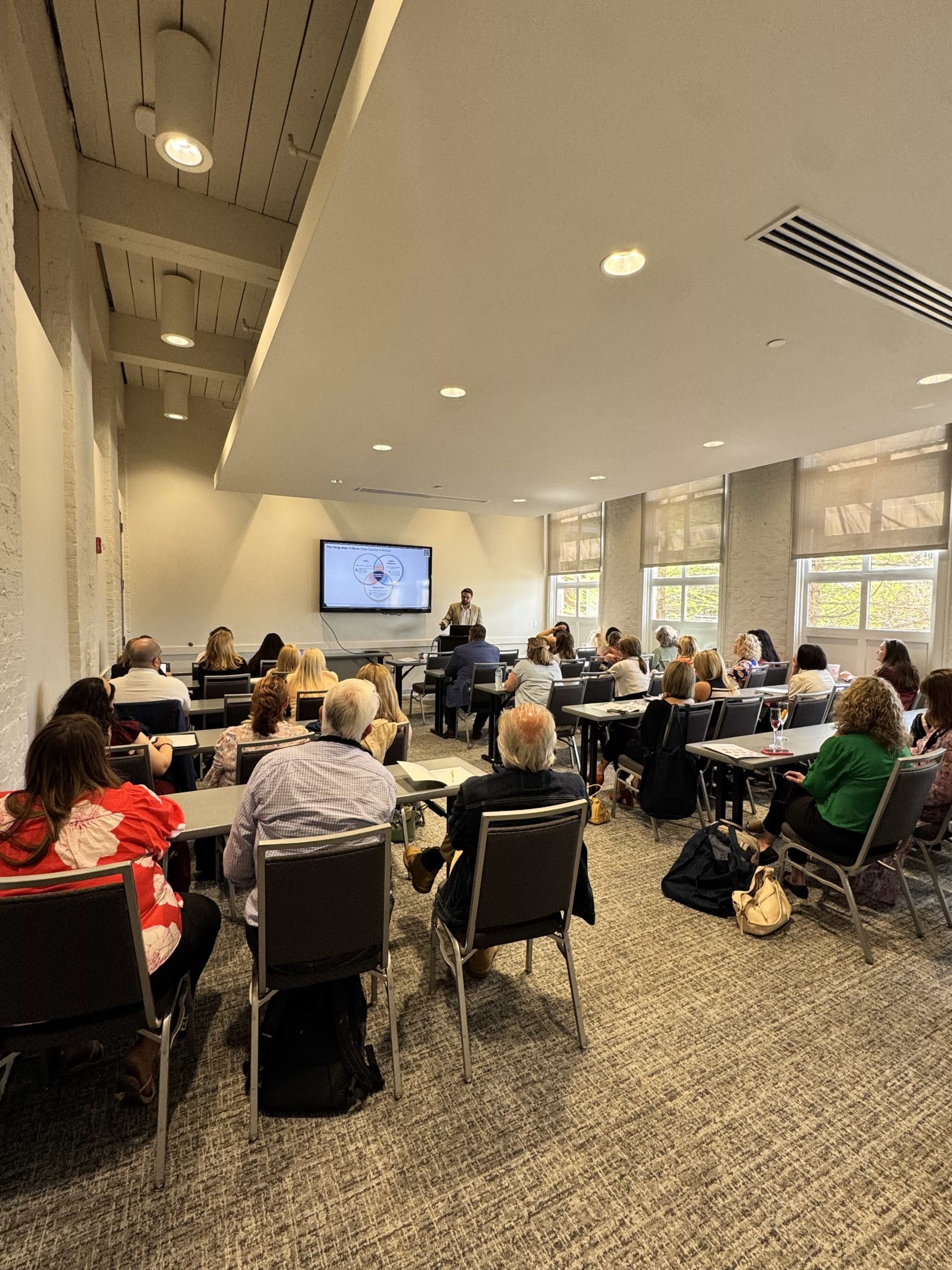
AI Tourism Mississippi: Strategy Over Speed
Dr. Napier’s message was clear: the advantage will not come from simply adopting AI tools. Instead, it will come from putting the right policies in place, strengthening digital presence, and using AI responsibly. In other words, the organizations that lead will approach AI with strategy — not just speed.
This distinction matters for every tourism stakeholder. AI tourism Mississippi strategies must go beyond surface-level adoption. Specifically, tourism professionals need practical frameworks for policy development, brand-aligned content generation, guest experience personalization, and responsible data use. Dr. Napier addressed each of these themes during the summit.
Policy, Digital Presence, and Responsible Use
The session focused on three pillars essential to AI adoption in hospitality and tourism:
Policy. Organizations need clear internal guidelines for AI use in marketing, operations, and guest communications. Without policy, adoption becomes inconsistent. As a result, risk increases across the organization.
Digital Presence. AI can strengthen how tourism organizations appear in search and engage visitors online. However, these gains require intentional implementation — not automated shortcuts.
Responsible Use. Trust sits at the foundation of hospitality. Therefore, organizations must deploy AI in ways that respect guest privacy, maintain brand integrity, and reflect their core values.
MAIN’s Role in Mississippi’s AI-Enabled Future
This presentation reflects MAIN’s broader mission. As the nation’s first coordinated statewide AI initiative, MAIN works across education, government, workforce, and industry. Consequently, it helps ensure Mississippi leads — rather than follows — in an AI-enabled future.
Tourism and hospitality represent a critical sector in that effort. After all, Mississippi’s tourism industry drives billions in economic impact and employs tens of thousands of workers. Through engagements like the Spring Tourism Summit, MAIN continues to connect organizations with practical AI strategy. For more on this work, see our post on AI literacy and workforce development at NVIDIA GTC.
Thank You to the Mississippi Tourism Association
Thank you to the Mississippi Tourism Association for including MAIN in this important conversation. Events like the Spring Tourism Summit show that Mississippi’s tourism leaders actively engage with AI. They ask the right questions and position their organizations for what comes next.
“The tourism organizations that lead with AI will not be the ones that moved fastest. They will be the ones that moved with the clearest strategy and the deepest commitment to responsible use.”
— Dr. Kollin Napier, Ph.D., Director, Mississippi Artificial Intelligence Network (MAIN)
Mississippi’s Tourism Industry Is Ready
Ultimately, AI tourism Mississippi is not a future conversation — it is a present-day reality. AI already changes how tourism works, from marketing and guest services to operations and workforce development. Through MAIN, Mississippi’s tourism sector has a partner committed to guiding that change with strategy, policy, and responsible practice.
To learn more about how MAIN builds capacity across Mississippi’s industries, explore related efforts in MAIN training and implementation services.
Learn more about Mississippi’s statewide AI initiative at mainms.org.