
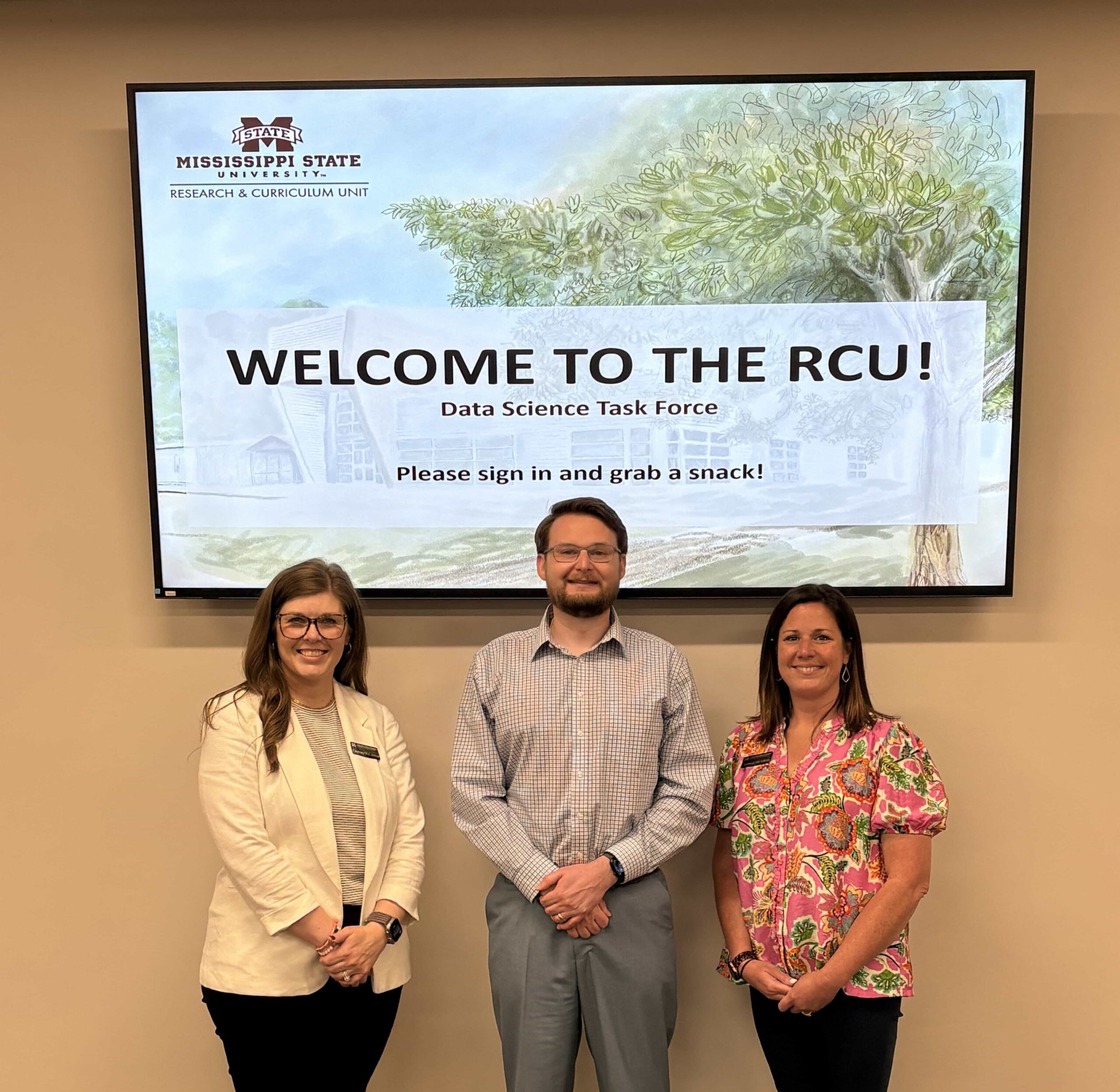
Data science workforce Mississippi efforts took another step forward this week. Dr. Kollin Napier, Ph.D., Director of the Mississippi Artificial Intelligence Network (MAIN), joined the Data Science Task Force meeting hosted by the Mississippi State University Research and Curriculum Unit (RCU) in Starkville. The session brought together educators, industry leaders, and workforce partners around a shared goal: preparing Mississippi students for emerging careers in data science, data centers, and related fields.
Data Science Workforce Mississippi: Building Practical Pathways
The task force discussion centered on four key areas: workforce demand, curriculum design, skills gaps, and pathway development. Specifically, participants focused on creating strong, practical pathways that prepare students for both continued education and real career opportunities. This kind of alignment matters. Without it, programs risk producing graduates whose skills do not match what employers actually need.
Mississippi’s growth in data science and data center infrastructure continues to accelerate. As a result, the need for thoughtful coordination between education, workforce, and industry grows alongside it. The task force exists to close that gap — and MAIN’s involvement ensures AI and emerging technology stay central to the conversation.
Why Cross-Sector Alignment Matters
Strong career pathways do not happen in isolation. They require educators who understand industry needs, employers who invest in pipeline development, and workforce partners who connect the two. Therefore, convenings like the Data Science Task Force play a critical role in Mississippi’s long-term competitiveness.
MAIN brings a statewide perspective to these conversations. As the nation’s first coordinated statewide AI initiative, MAIN works across K-12 education, higher education, workforce development, and industry. Consequently, it helps ensure that emerging fields like data science receive the cross-sector support they require. For more on this approach, see our post on AI literacy and workforce development at NVIDIA GTC.
Thank You to the RCU and Task Force Participants
Thank you to Courtney McAdams, Courtney McCubbins, the RCU team, and all task force participants for a thoughtful and productive session. Additionally, thank you to Mississippi State University for hosting the conversation in Starkville.
“Data science career pathways only work when education, workforce, and industry build them together. That is exactly what this task force represents.”
— Dr. Kollin Napier, Ph.D., Director, Mississippi Artificial Intelligence Network (MAIN)
MAIN Is Encouraged by the Path Ahead
Ultimately, data science workforce Mississippi development depends on exactly this kind of collaboration. MAIN is encouraged by the conversation, grateful for the partnership, and optimistic about the progress ahead. Through continued engagement with partners like the RCU, MAIN helps ensure Mississippi students have clear, practical pathways into high-demand careers.
To learn more about how MAIN builds workforce capacity across the state, explore related efforts in MAIN training and implementation services.
Learn more about Mississippi’s statewide AI initiative at mainms.org.