
The Mississippi Artificial Intelligence Network (MAIN), Mississippi’s statewide AI initiative, helped the Gulf Coast Business Council’s 2026 Masters Leadership Class use AI to compare regional planning material for Coast Forward.
The class presented its findings at the Council’s October 22 meeting, completing research into the priorities Coastal Mississippi’s communities and institutions share. MAIN contributed AI instruction and research support through Dr. Kollin Napier, its Chief Artificial Intelligence Officer and a member of the class.
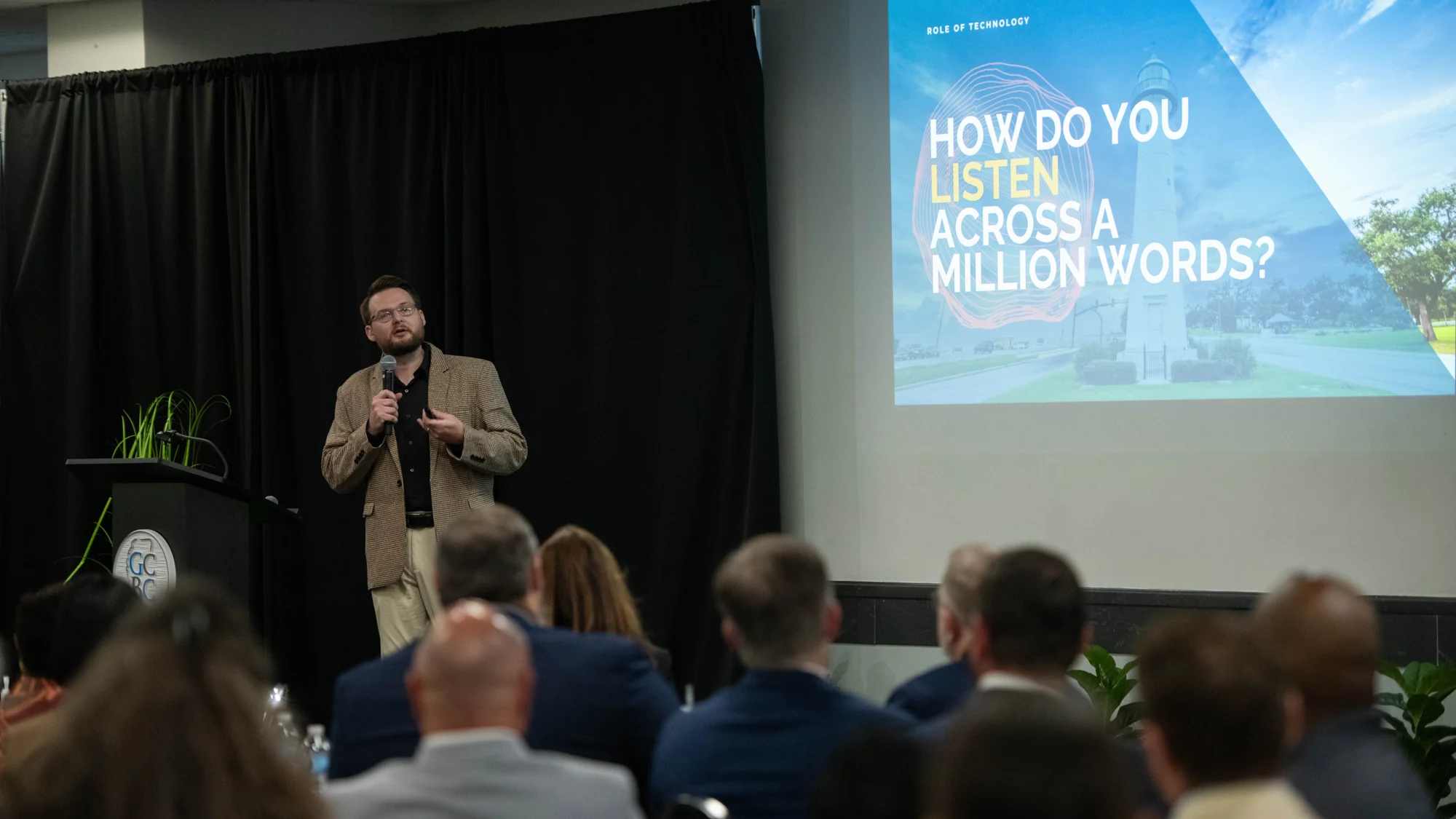
AI training applied to regional research
The assignment gave participants a specific task for AI. Communities and organizations had already developed plans for the Coast’s future. The class needed to understand how those plans connected, including where different wording described similar desired outcomes.
At the February 18 opening session, Napier introduced participants to AI and led a hands-on ChatGPT workshop. GCBC’s report on the program’s launch describes teams reviewing Jackson County plans, examining their timeframes and recommendations, and practicing AI-supported research and collaboration.
The completed research considered existing plans, stakeholder perspectives and business and industry survey responses across the three coastal counties and 12 municipalities. According to GCBC’s October 22 meeting report, AI helped the class compare differently worded material and identify recurring ideas. People retained responsibility for interpreting the findings.
The framework’s alignment categories describe how broadly an outcome appears across the evidence; they do not rank its importance.
What the class found
Coast Forward identifies 16 outcomes with strong regional alignment across five themes:
- Workforce, education and the economy.
- Transportation, infrastructure and site readiness.
- Housing, communities and quality of place.
- Resilience and natural resources.
- Leadership, collaboration and accountability.
The framework documents common goals while preserving the responsibilities of individual communities and institutions. It does not approve projects, allocate funding or supersede local plans.
Napier completed the Masters Leadership Class alongside his fellow participants. GCBC recognized the class with certificates and plaques at the October meeting.
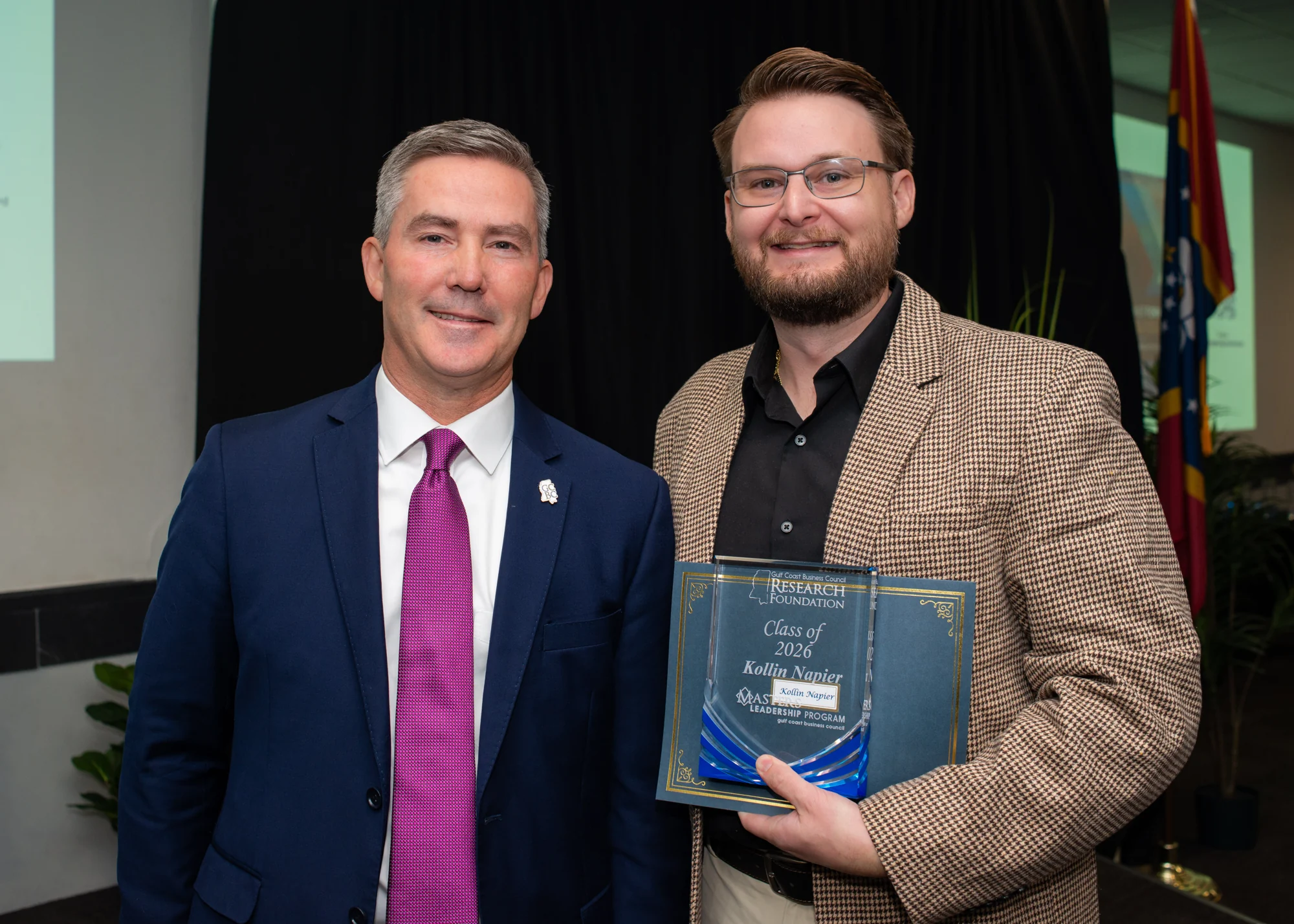
Reflecting on the class experience and the work ahead, Napier said:
“Working alongside this class made me more confident about Coastal Mississippi’s future. We found common ground across communities with different needs and identities. Coast Forward gives leaders a clearer basis for deciding where to work together. Now comes the responsibility to choose a focus, commit to the work and stay accountable for progress. I want this effort to help more people build the life and career they want here on the Coast.”
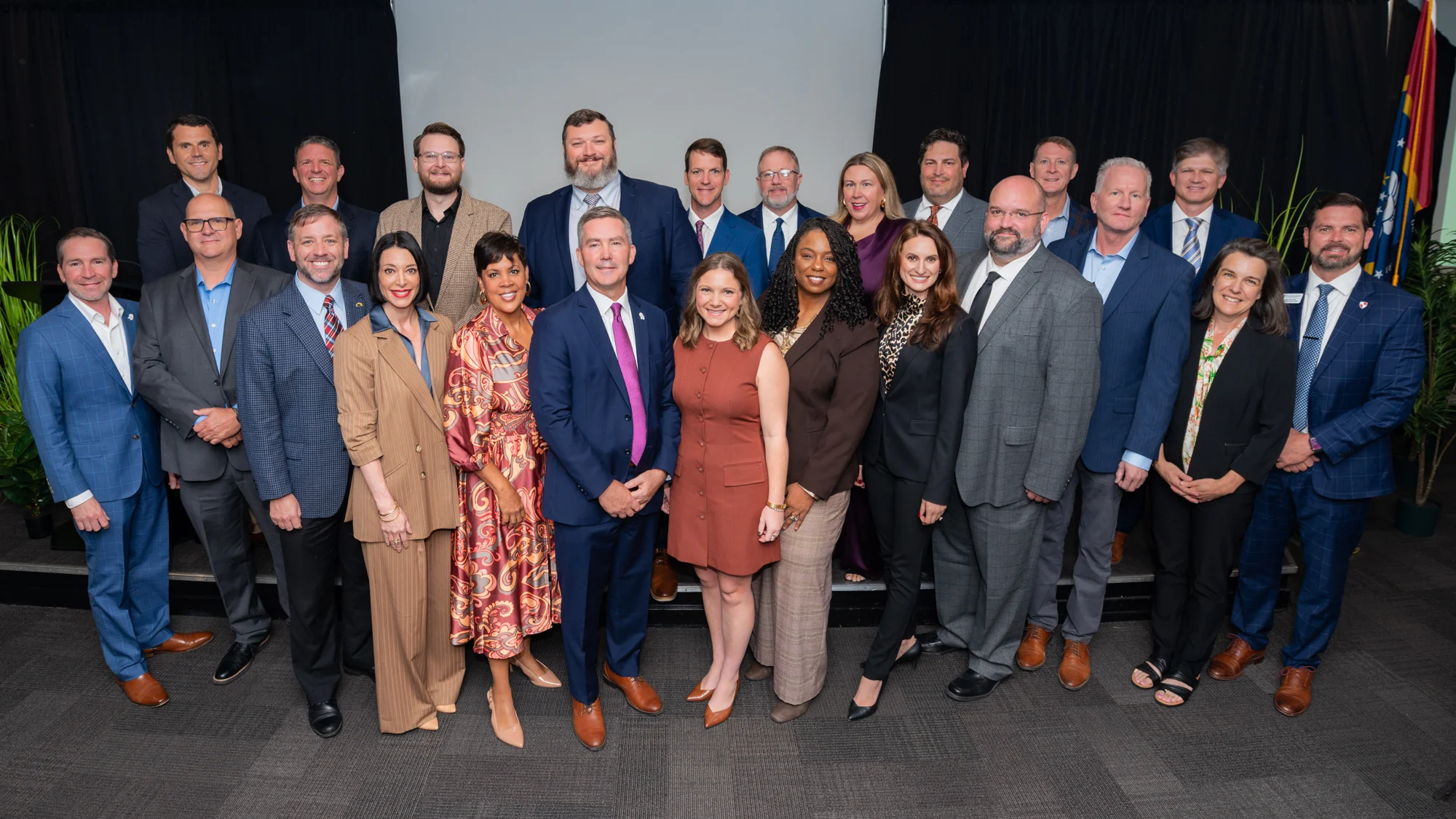
From findings to regional decisions
The Coast Forward Committee, co-chaired by Dave Dennis and Jamie Miller, is reviewing the framework and considering recommendations for action. Its initial areas of emphasis include regional community development and leadership, and workforce and talent development.
The class’s research assignment is complete. Decisions about projects, resources and implementation belong to the separate process now being considered by regional leaders. MAIN’s contribution to the class provides an example of AI supporting the research that informs those decisions.
Organizations interested in applying AI to their own work can explore MAIN’s services and support and its AI learning and planning resources.