
News · Published · By Mississippi Artificial Intelligence Network (MAIN)
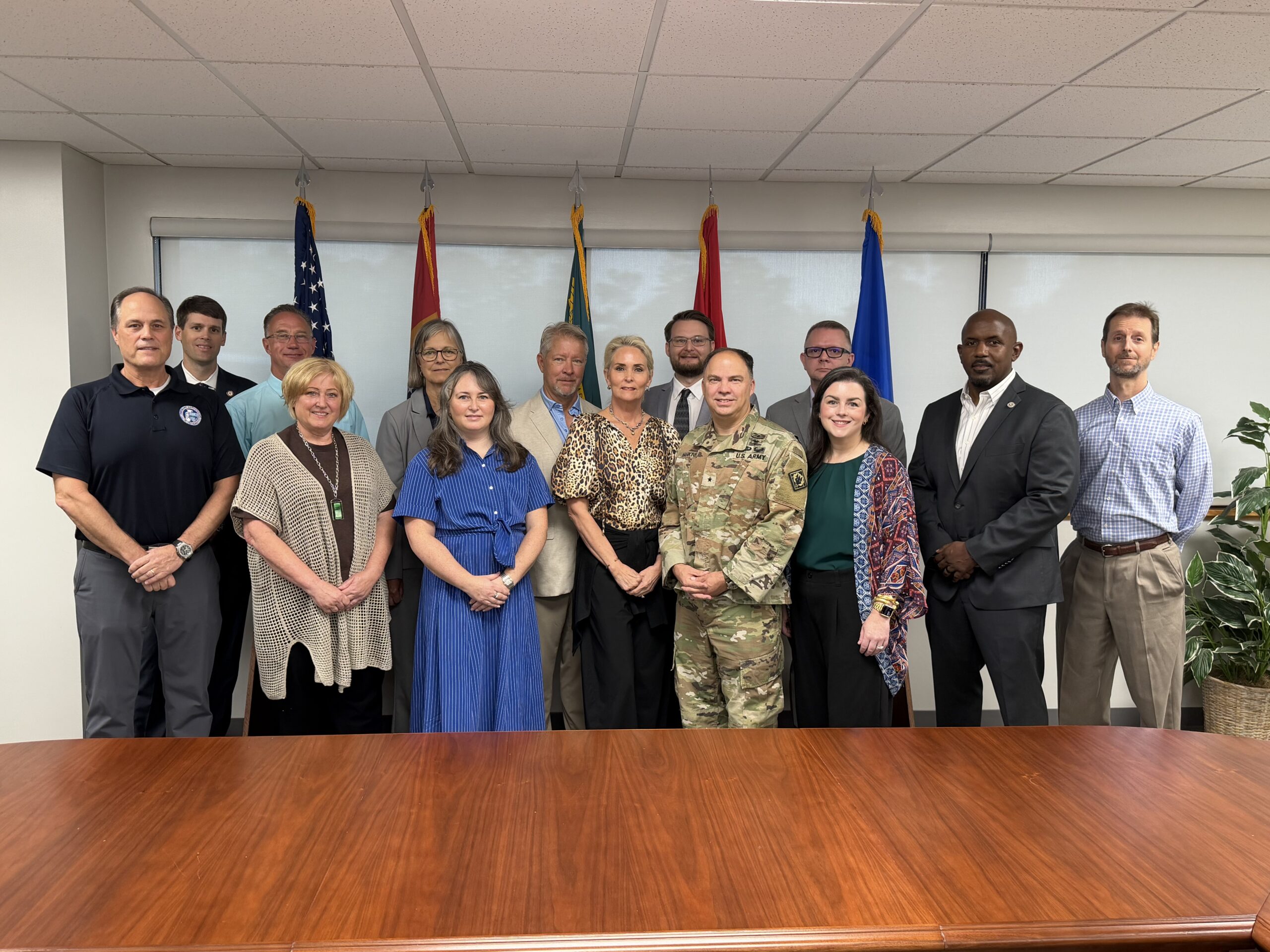
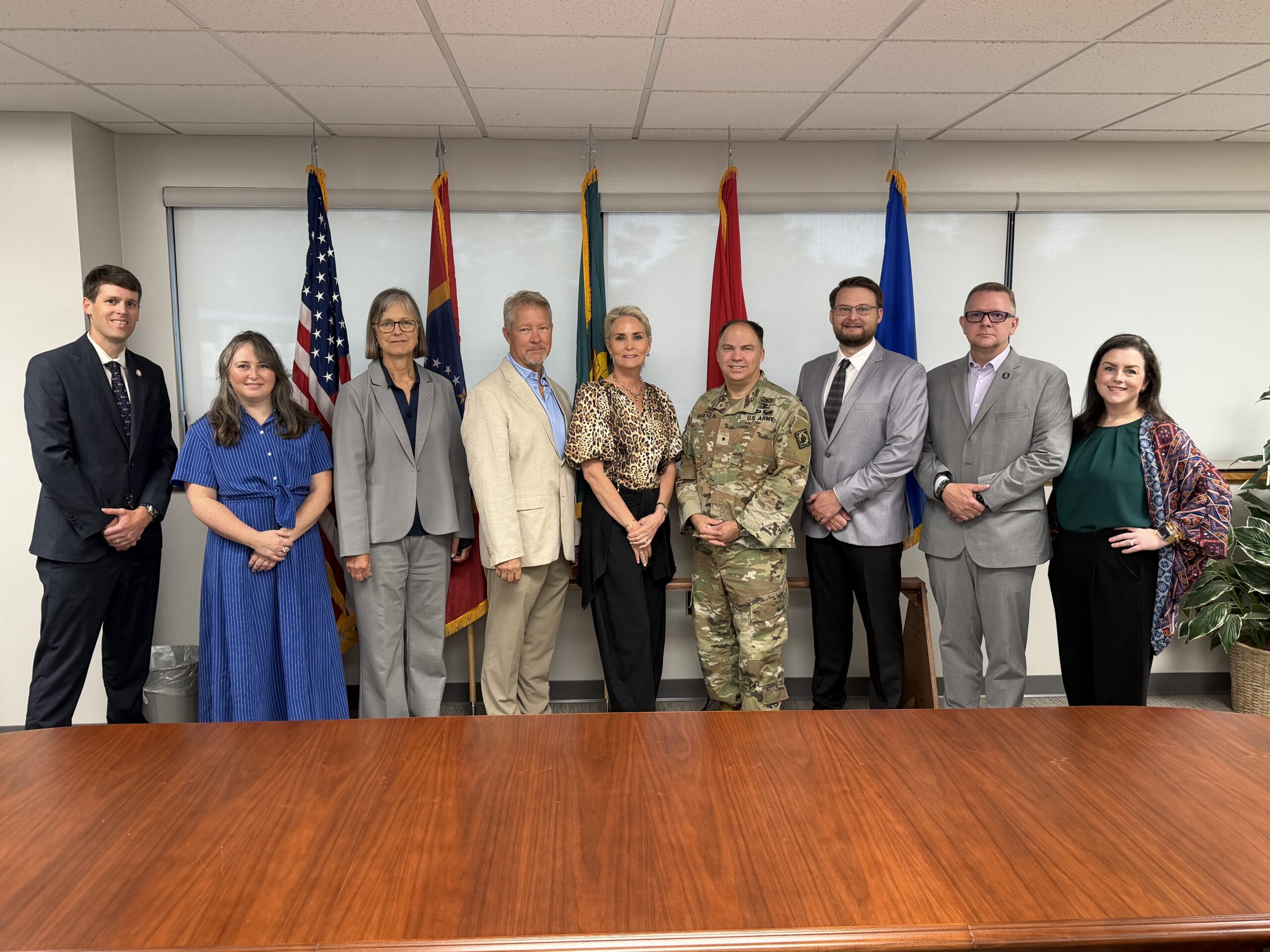
HATTIESBURG, Miss. The Mississippi Legislative Artificial Intelligence Regulation Task Force met September 15 at Camp Shelby to examine how AI is changing cyber threats, what Mississippi needs to strengthen readiness, and what safeguards should govern secure adoption in state government and other critical systems.
The day brought task force members together with speakers from Camp Shelby, the Cybersecurity and Infrastructure Security Agency, the Mississippi Office of Homeland Security, the Mississippi Attorney General’s Cyber Crime Division, Mississippi Department of Information Technology Services, C Spire, OpenAI, Keesler Air Force Base and Mississippi State University.
Dr. Kollin Napier, chief artificial intelligence officer for the Mississippi Artificial Intelligence Network, participated as a voting member of the task force. Legislative co-chairs Rep. Jill Ford and Sen. Bart Williams opened the meeting with Napier before the group moved into a series of briefings and discussions.
Cyber risk and Mississippi readiness
The morning sessions separated two questions that are often blended together: how attackers may use AI, and how public agencies can use AI to improve defense without creating new exposure.
Discussion covered AI-assisted deception, automated intrusion, incident coordination and the controls public entities should have in place before generative or agentic systems receive internal data or access to operational systems. State officials also examined how Mississippi’s security organizations can coordinate during an AI-enabled incident and what information agencies need to maintain about the AI systems they use.
Camp Shelby’s role gave the meeting a practical setting for those questions. The installation’s cyber-range and multi-domain training capabilities prompted discussion of exercises that could bring military, state, academic and industry participants together around a combined cyber, communications and physical emergency.
Critical services and secure AI adoption
Speakers also considered risks that cross organizational boundaries. The agenda connected telecommunications resilience with health care continuity, including the possibility that a disruption in one network could affect another critical service.
The afternoon turned to the evidence and contract terms Mississippi should expect from AI providers before procurement or state-system access. Topics included data boundaries, retention and deletion, audit logs, incident notification, human approval and conditions for stopping a pilot. The discussion treated a limited proof of concept as a way to gather evidence, not as permission to deploy a system broadly.
That distinction matters for public agencies. A narrow pilot can test whether a proposed tool fits a defined workload, but agencies still need an accountable owner, documented safeguards and a clear decision about what remains outside the system’s authority.
Workforce preparation
The final briefing focused on the people who will secure and oversee these systems. Representatives from Keesler Air Force Base and Mississippi State University discussed how AI is changing cybersecurity work, which skills graduates and working professionals need, and how employers can assess those skills through demonstrated performance.
The meeting connected workforce preparation with operational readiness. Mississippi needs people who can use AI tools, recognize their limits, examine the evidence behind an output and respond when a system behaves outside its intended boundaries.
The task force’s role
The Mississippi Artificial Intelligence Regulation Task Force was established by Senate Bill 2426 during the 2025 Regular Session. It studies AI applications, risks, state-government use, possible changes to state law, funding considerations and recommendations for the Legislature. It does not issue regulations or approve AI systems.
Napier is one of seven voting members. Four ex-officio members advise the task force, bringing experience from technology companies, higher education and private business.
The Camp Shelby meeting added cybersecurity, critical-infrastructure resilience, secure procurement and workforce preparation to the record the task force will use as it develops its next recommendations to the Legislature.