
Published September 12, 2026 at 8:00 a.m. CT by Mississippi Artificial Intelligence Network (MAIN).
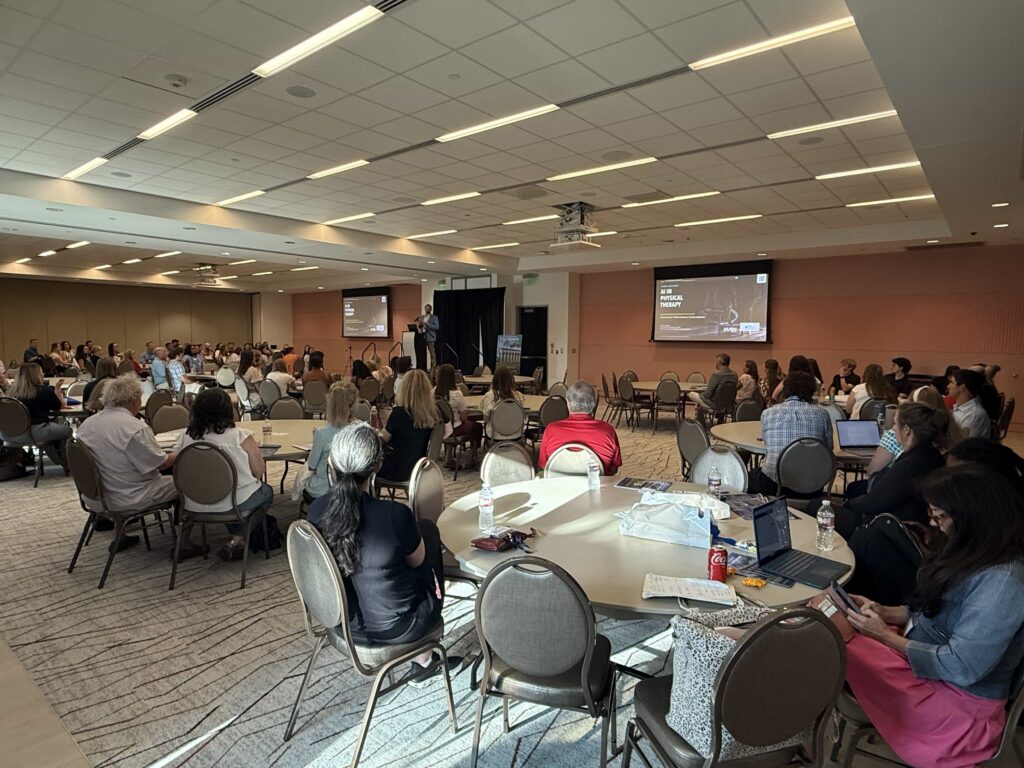
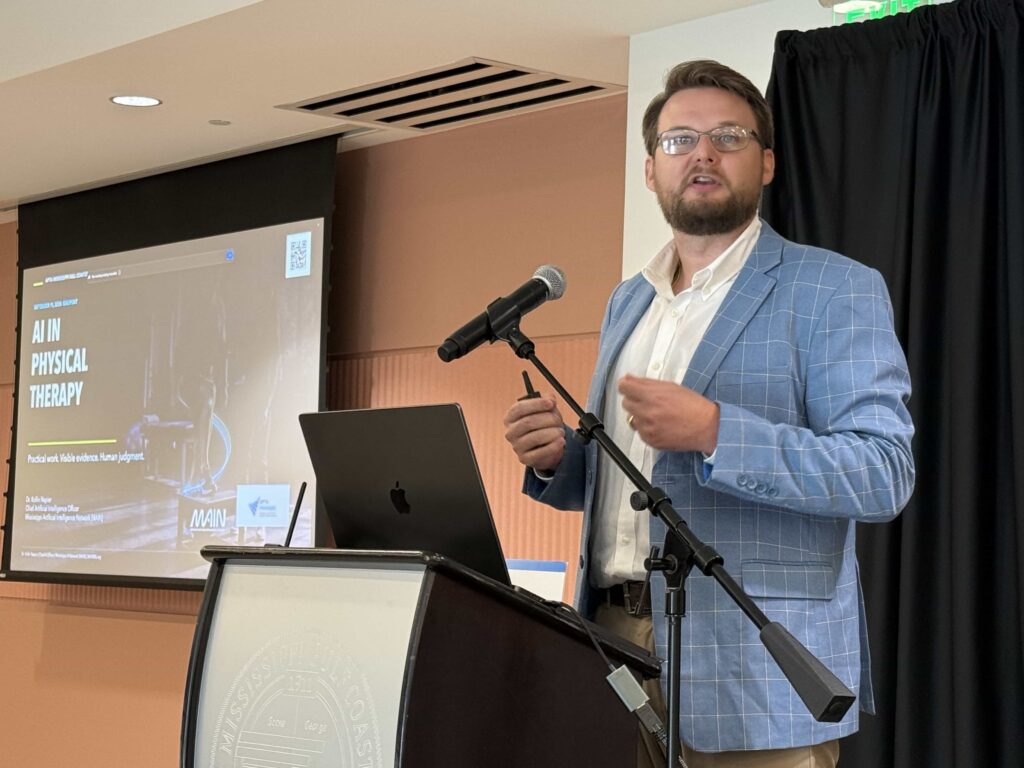
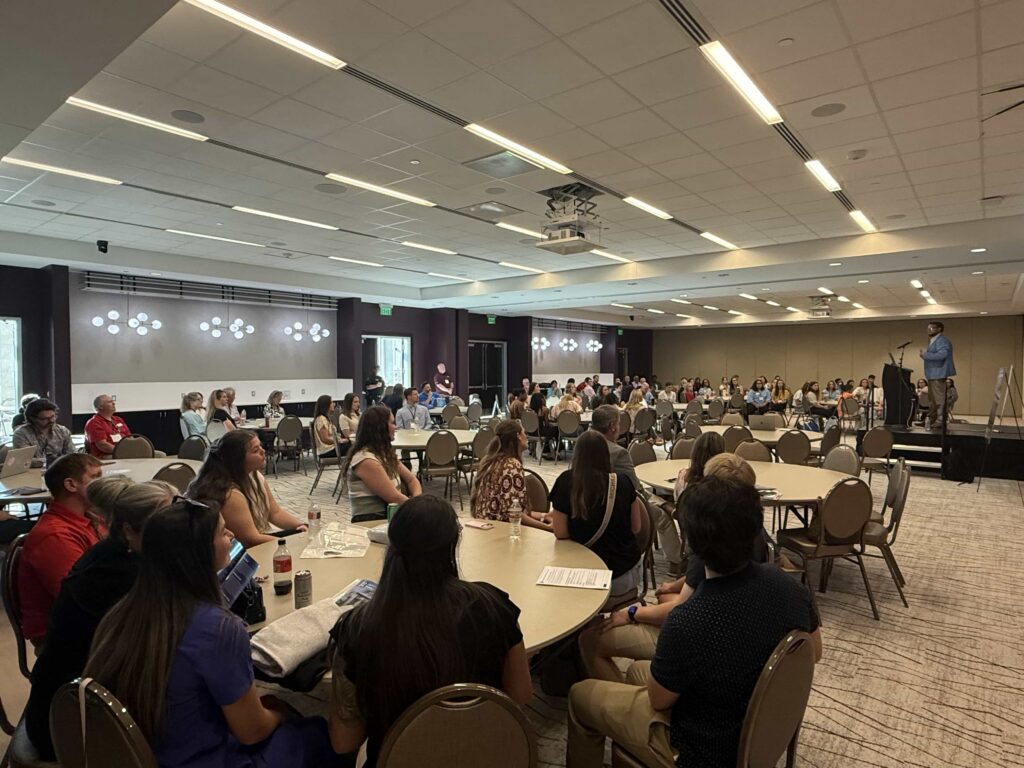
Dr. Kollin Napier, chief artificial intelligence officer for the Mississippi Artificial Intelligence Network (MAIN), led a two-hour workshop on practical and responsible uses of artificial intelligence for physical therapy professionals on Friday evening at the 2026 APTA-Mississippi Fall Conference in Biloxi.
The session, From Curiosity to Clinical Practice: Practical AI for Physical Therapists, opened the conference’s educational program at Mississippi Gulf Coast Community College’s Hospitality and Resort Management Center. APTA-Mississippi scheduled the conference for September 11-12 for physical therapists, physical therapist assistants, educators, students and healthcare leaders from across the state.
View the 2026 APTA-Mississippi Fall Conference program.
From AI basics to visible workflows
Napier began with a plain-language explanation of generative AI and the kinds of work it can assist. He then focused on task reliability, information boundaries and a seven-step review loop: define the problem, identify approved inputs, write the prompt, inspect the output, evaluate it, refine it and require human approval.
The workshop’s second hour used six demonstrations drawn from work that surrounds patient care. Participants saw AI answer questions from a public PDF with page references, rewrite approved information for patient communication and organize synthetic meeting notes without inventing missing owners or deadlines.
Additional demonstrations examined synthetic appointment data, research on home-exercise adherence and a comparison of current and proposed policies. Each example required the user to preserve missing information, separate source facts from inference and check the output against the underlying evidence.
Clinical decisions remain with the professional
The session placed firm limits around clinical use. The presentation identified diagnosis, dosage, prognosis and medical necessity as decisions that remain with a qualified professional. AI could help organize approved information or draft a work product, but the clinician or other authorized reviewer remained responsible for the record and the action.
Napier also asked participants to consider whether information was safe and lawful to share, whether an AI tool was approved for the intended work, and who would verify the result. The demonstrations used public documents, approved source material and synthetic data rather than patient information.
Building the capacity to use AI responsibly
The workshop reflected MAIN’s broader focus on helping Mississippi organizations move from general interest in AI to supervised work that people can inspect and approve. For physical therapy professionals, that means starting with bounded tasks, using appropriate information and keeping clinical judgment with the person accountable for care.
Learn more about the APTA-Mississippi Fall Conference or explore MAIN’s free AI learning opportunities.